
This post is part of the Coupang Partners program, and I may receive a commission from qualifying purchases. By clicking the link and making a purchase, you can help support the operation of this blog.
Tomato is one of the representative fruits of summer. Although its distinct aroma can be polarizing, it is known for its various health benefits and is often referred to as a superfood. Today, let’s learn more about this superfood, the tomato.
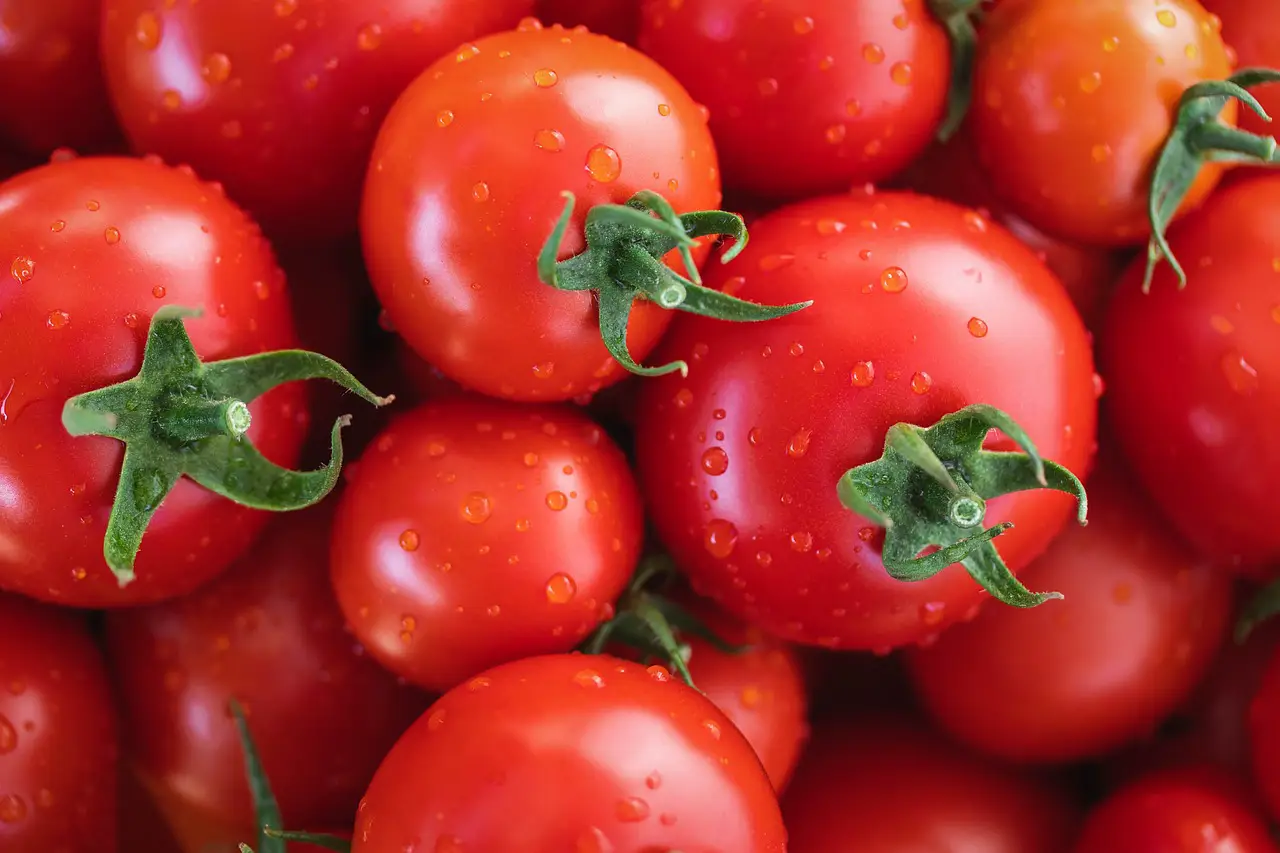
Superfood Tomato
Tomato (Solanum Lycopersicum) is a plant belonging to the nightshade family, and its origin is in Central and South America, including Mexico. In the past, tomatoes were called ‘Namman-si (南蠻柿)’ in Korea, where ‘Namman (南蠻)’ referred to South America and ‘si (柿)’ meant persimmon. This term was used to mean ‘persimmon from South America.’ Additionally, it was also referred to as ‘Seohongsi (西紅柿)’ in the West, meaning ‘red persimmon from the West.’ Since it is an annual plant, it was also called ‘Illyeongam (일년감),’ meaning ‘one-year persimmon.’ In fact, the shape and color of a ripe tomato resemble a persimmon, which likely led to these names.
Is It a Fruit or a Vegetable?
The debate over whether a tomato is a fruit or a vegetable has been ongoing for a long time. Some people consider it a fruit, while others classify it as a vegetable, and recently, the term “fruit-vegetable” has been used to encompass both.
In fact, this debate stems from the terms themselves. “Fruit” is a biological concept, while “vegetable” is an everyday classification unrelated to biology. Biologically, fruit refers to the edible part of a plant that contains seeds, and tomatoes fall into this category. On the other hand, vegetables are a broader concept that includes the leaves, stems, roots, and fruits of plants, typically referring to plants used in cooking. Therefore, biologically, a tomato is a fruit, but in everyday classification, it can also be considered a vegetable.
A well-known example of classifying tomatoes as vegetables comes from a 1893 U.S. Supreme Court ruling. At the time, there was a legal dispute over whether tomatoes should be classified as a fruit or a vegetable for tariff purposes. Fruits were not subject to tariffs, while vegetables were. Ultimately, the Supreme Court ruled, “Tomatoes are biologically fruits, but since they are typically used as vegetables in cooking, they are considered vegetables.”
This ongoing debate is also influenced by cultural differences. In South America, tomatoes are often cooked, grilled, or used in soups, while in Korea, they are mostly consumed as fresh fruit. Additionally, in supermarkets, tomatoes are often placed in the fruit section, so in everyday life, many people perceive them as fruits.
Ultimately, whether you call a tomato a fruit, a vegetable, or a fruit-vegetable, it’s not wrong. The important thing is that, no matter what it’s called, tomatoes are a “superfood” that is good for our health.
Healthy Tomatoes
Tomatoes are well known as a healthy food, being ranked first in TIME magazine’s “10 Foods That Pack A Wallop,” which highlights foods with powerful health benefits. For this reason, tomatoes are often referred to as a superfood. They are rich in various nutrients that are beneficial to our bodies. Isn’t it surprising that tomatoes are considered a superfood?
Tomato Nutritional Information
Low Calorie and Minimal Glycemic Load
Tomatoes are a great food for a healthy diet as they are low in calories while containing various nutrients. A 100g serving of ripe red tomatoes contains only 18 kcal, which is very low, and its glycemic load (GL) is 1, one of the lowest levels.
In terms of nutrition, per 100g, tomatoes provide 0.9g of protein, 0.2g of fat, and 3.9g of carbohydrates, of which 1.2g is dietary fiber and 2.6g is sugar. Because of these characteristics, tomatoes are a great choice for those looking for a light meal or needing to manage their blood sugar levels.
Rich in Vitamins
Tomatoes are a nutritious food containing various vitamins. A 100g serving of ripe red tomatoes provides about 17% of the daily recommended intake of vitamin A, 21% of vitamin C, 3% of vitamin E, and 10% of vitamin K.
In addition to these, tomatoes also contain 2-4% of the daily required amount of B vitamins such as thiamine, niacin, and folate, along with a rich supply of minerals like calcium, iron, magnesium, potassium, and manganese, which help support balanced nutrient intake.
Outstanding Antioxidants
The main reason tomatoes are considered a superfood is due to the presence of a red or reddish pigment called “lycopene.” Lycopene is a powerful antioxidant that, like the anthocyanins in blueberries, plays a key role in removing free radicals from the body.
Lycopene is a carotenoid antioxidant, while anthocyanins belong to the phenolic flavonoid group. Both compounds help reduce oxidative stress and support overall health. Additionally, tomatoes are rich in vitamin A (beta-carotene) and vitamin C, both of which also contribute to protecting the body through their antioxidant properties.
Tomato Benefits
Antioxidants from the carotenoid family, including lycopene and beta-carotene, reduce oxidative stress caused by free radicals and play various roles in maintaining our body’s health. The generally known potential benefits of tomatoes are as follows:
- Help protect cardiovascular health.
- Contribute to the prevention and improvement of degenerative diseases such as Alzheimer’s and Parkinson’s.
- Improve insulin sensitivity, aiding in blood sugar control and diabetes management.
- Enhance skin health and help alleviate skin problems.
- Help prevent infections through antimicrobial properties.
- Reduce inflammation with anti-inflammatory effects.
- Boost immunity, strengthening resistance to diseases.
- Positively impact athletic performance.
- Promote reproductive health and help improve fertility.
- Contribute to reducing the risk of certain cancers.
- Help prevent osteoporosis and strengthen bone health.
- Positively influence bronchial health, such as alleviating asthma.
How to Choose, Store, and Eat Tomatoes
How to Choose Tomatoes
When selecting fresh tomatoes, look for smooth, shiny skin with no bruises or spots. A well-ripened tomato should feel heavy and firm when held in your hand. A strong fragrance is also an important indicator of freshness. If possible, choose tomatoes grown with minimal pesticide use or those cultivated through organic methods for a healthier option.
How to Store Tomatoes
Tomatoes should be stored at room temperature, away from direct sunlight. Underripe tomatoes will naturally ripen when left at room temperature. However, fully ripe tomatoes should be consumed quickly before they become mushy.
If you need to store a large quantity for a longer period, freezing is a good option. To freeze tomatoes, wash them thoroughly, remove excess water, and place them in a zipper bag before storing them in the freezer. Frozen tomatoes can be used in smoothies after thawing, allowing you to enjoy their fresh flavor.
How to Use Tomatoes
We mostly eat tomatoes raw. They can be sliced thinly and eaten with sugar or salt, added to salads, or used in smoothies or juices. However, tomatoes are also essential ingredients in various dishes worldwide. They are commonly used in Italian and Spanish cuisine and are an important ingredient in dishes like curries from Southeast Asia. Here are some ways to use tomatoes:
- Add tomatoes to soups or curries to enhance flavor.
- Grill thinly sliced tomatoes alongside meat.
- Use tomatoes to add flavor to fish dishes.
- Make purees, sauces, or ketchup with ripe tomatoes.
- Slice underripe tomatoes thinly, coat them in breadcrumbs, and fry them.
Precautions
Tomatoes have long been a part of our diet, and generally, there are no major issues when consumed. However, it can vary depending on individual circumstances.
- Tomatoes belong to the nightshade family, so those with allergies to nightshade plants should avoid them.
- If there is an intolerance to lycopene, issues such as indigestion or bloating may occur.
- In some cases, acid reflux or heartburn may appear.
This information is not medical advice but general reference material. If you have a specific health condition, are taking medication, or have special circumstances, it is important to consult with a professional.


Leave a Comment