
This post is part of the Coupang Partners program, and I may receive a commission from qualifying purchases. By clicking the link and making a purchase, you can help support the operation of this blog.
Glutathione is a protein naturally produced in all cells and tissues of our body, playing a vital role in protecting against free radicals and diseases. It acts as a powerful antioxidant, helping to combat malignant diseases such as cancer, prevent cell damage caused by aging, and strengthen the immune system. Due to these benefits, glutathione is essential for maintaining health.
Although glutathione is produced in all cells of the body, it can be supplemented through nutritional supplements when levels are low. These supplements contain three amino acids—glycine, glutamic acid, and cysteine—which help increase the concentration of glutathione.
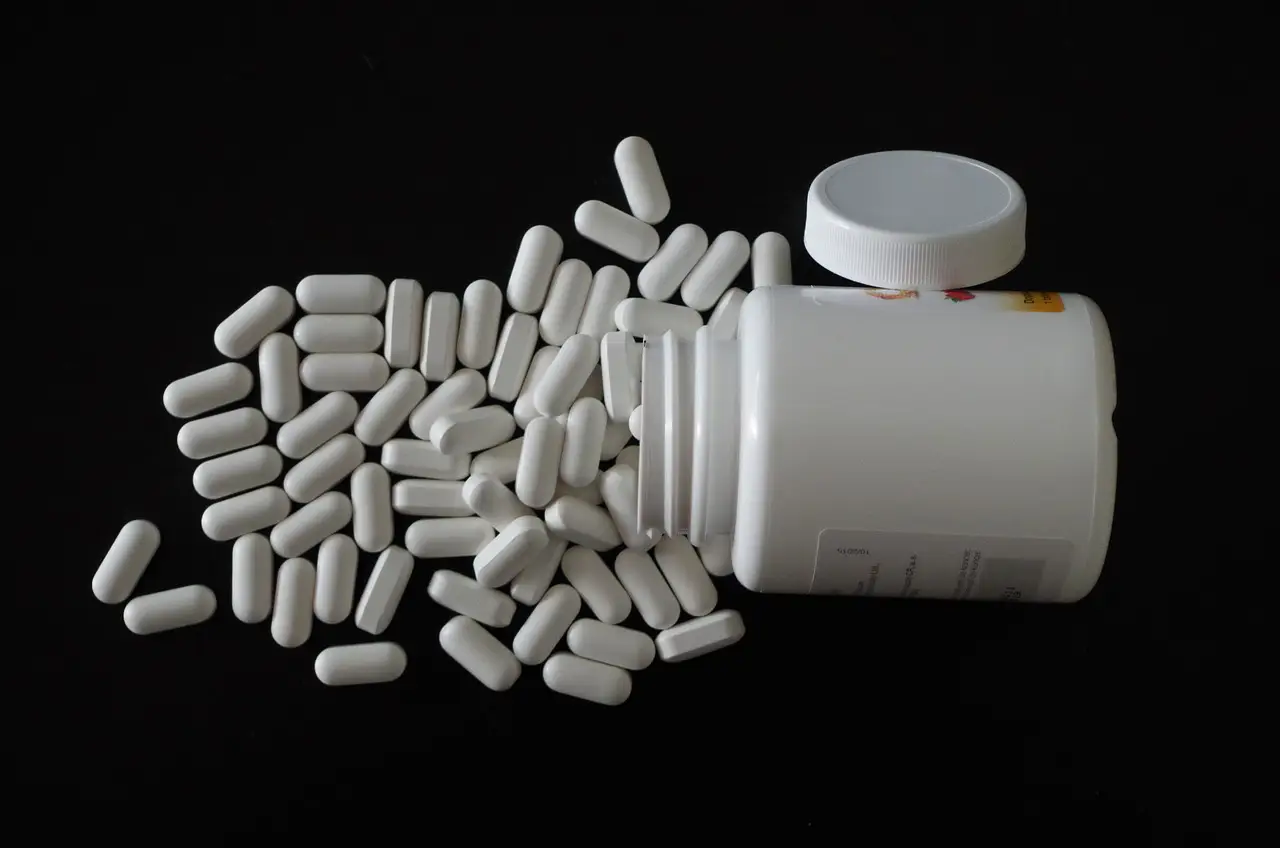
Glutathione Benefits
Vitamin C and Vitamin E are well-known antioxidants that neutralize free radicals, but glutathione offers even stronger antioxidant effects. Glutathione is already present within our cells and acts on all cells, including the immune system, helping them fight diseases. This is why glutathione supplements are recommended for preventing cancer and other diseases.
How to Take
According to research from the Physicians’ Desktop Reference, directly ingesting glutathione may be less effective than administering it through injection. However, this is a subject of debate, and some doctors argue that supplementing precursors such as cysteine is a more effective way to add antioxidants.
The Physicians’ Desktop Reference recommends taking 10–20g of cysteine supplements per day to support health and immune function. For cancer or AIDS patients, 30–40g per day is recommended, but it is important to consult with a doctor before taking such supplements.
How to Increase Glutathione Levels
Selenium Is Beneficial
Selenium acts as a powerful antioxidant and helps promote the production of glutathione in the body. The recommended daily intake for adults is 55mcg. It is best to consume it through food, and good sources include Brazil nuts, walnuts, halibut, sardines, grass-fed beef, chicken, and spinach.
Milk Thistle Is Beneficial
Milk thistle contains a powerful antioxidant called silymarin. This compound helps protect liver cells from various toxins, aids in regenerating damaged cells, and plays a role in increasing glutathione levels. It is important to choose a reliable product and follow the recommended dosage on the label. Generally, the recommended daily intake is between 100mg and 200mg.
Vitamin C and Vitamin E Are Beneficial
Vitamin C and Vitamin E are well-known antioxidants that work alongside glutathione in our body to provide antioxidant effects. Additionally, these vitamins help regenerate glutathione. Foods rich in Vitamin C include kale, Brussels sprouts, kiwi, grapefruit, broccoli, strawberries, and oranges, while foods rich in Vitamin E include avocado, olive oil, spinach, almonds, sweet potatoes, and sunflower seeds.
Whey Protein Is Beneficial
Whey protein helps replenish glutathione by increasing the concentration of cysteine, which aids in regenerating glutathione that is depleted during immune responses. It is recommended to choose products that are organically produced and free from artificial sweeteners and gluten.
NAC (N-Acetyl Cysteine) Is Beneficial
NAC acts as a powerful antioxidant and, in fact, serves as a precursor to glutathione. It is important to choose a reliable product and follow the recommended dosage on the label. The typical recommended intake is 200-500mg per day.
Foods Rich in Sulfur Are Beneficial
Sulfur acts as a natural energy booster in our body and has anti-inflammatory and detoxifying properties. It also enhances cellular vitality and improves blood circulation, supporting overall health. Foods rich in sulfur include broccoli, Brussels sprouts, cabbage, cauliflower, kale, radishes, turnips, and watercress. These foods can help supplement your sulfur intake.
Vitamins B6, B9, B12, and Biotin Are Beneficial
These vitamins are essential for maintaining the methylation process, which helps repair damaged DNA in the body. They also have a positive impact on brain cell health and are often recommended for students preparing for exams. It is more effective to consume these nutrients through food rather than supplements. Good food sources include liver, lentils, spinach, broccoli, avocados, and asparagus.
Alpha-Lipoic Acid Is Beneficial
Alpha-lipoic acid plays a vital role in the antioxidant network and helps support insulin secretion, aiding in the response to various diseases and infections, including diabetes. It also supports the production of this compound in the body. Foods rich in alpha-lipoic acid include spinach, tomatoes, peas, Brussels sprouts, rice bran, and mayonnaise. When taking it as a supplement, it’s important to choose a trusted product and follow the instructions provided on the label.
Side Effects and Precautions
According to the Physicians’ Desktop Reference, glutathione may contain milk proteins, which could affect individuals with milk allergies. If you are lactose intolerant, it is best to avoid taking it. Additionally, if you are taking medication or have specific health conditions, it is important to follow your doctor’s guidance. What we take for health should never end up causing harm. Above all, your health is the most important thing. Take good care of yourself!



Leave a Comment