


This posting is part of Coupang Partners activity, and I receive a certain amount of commission accordingly.
Quinoa is an annual plant belonging to the Amaranthaceae family, with a history dating back approximately 7,000 years. People living in the Andes region of South America used the seeds of this plant as a staple food, and it was commonly cultivated in areas such as Peru, Bolivia, Ecuador, and Chile. Archaeological discoveries have even found quinoa seeds in ancient tombs.
After the Spanish conquest of South America, quinoa spread beyond the Inca Empire and is now cultivated in over 70 countries worldwide. The primary producers are Peru and Bolivia, which together account for about 92% of global quinoa production.
The name “quinoa” means “mother of all grains” in the Incan language, indicating how highly the Incas valued this crop. Today, quinoa is once again gaining attention—not just as an ancient staple food, but also because of its many health benefits.
For example, NASA has studied quinoa as a potential space crop, and the United Nations declared 2013 the “International Year of Quinoa,” hosting various related events. With its rich nutritional value and relatively easy cultivation, quinoa is also being recognized as a potential solution to global hunger.
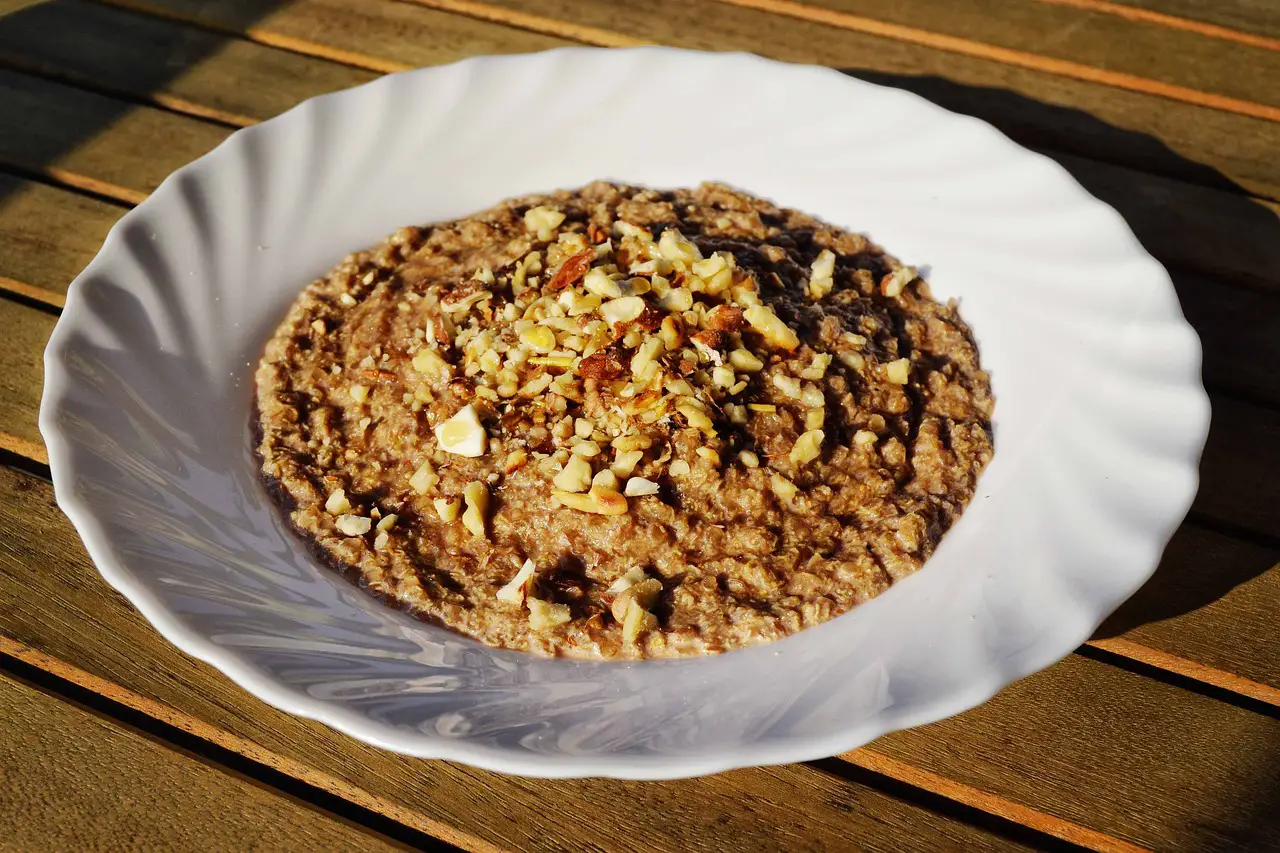
Nutritional Information
The Incas called quinoa the “mother of all grains,” and in modern times, it has earned the title of a “superfood.” In fact, quinoa was included in Harvard University’s list of the 12 best superfoods. So, what makes quinoa worthy of being called both the “mother of grains” and a “superfood”?
Per 100g, quinoa contains 368 kcal, 14.1 g of protein, 6.1g of fat, and 64.2g of carbohydrates, of which 7g are dietary fiber. For comparison, 100g of white rice contains 372 kcal, 7.6g of protein, 80.4g of carbohydrates, and 2.2g of fat. While the calorie content is similar, quinoa offers nearly twice as much protein as white rice.
Below are the micronutrients in 100g of quinoa that provide more than 10% of the daily recommended intake:
- Iron: 25% of the daily recommended intake
- Potassium: 12% of the daily recommended intake
- Magnesium: 47% of the daily recommended intake
- Phosphorus: 37% of the daily recommended intake
- Zinc: 28% of the daily recommended intake
- Copper: 66% of the daily recommended intake
- Manganese: 88% of the daily recommended intake
- Selenium: 15% of the daily recommended intake
- Thiamin (Vitamin B1): 30% of the daily recommended intake
- Riboflavin (Vitamin B2): 24% of the daily recommended intake
- Niacin (Vitamin B3): 10% of the daily recommended intake
- Pantothenic acid (Vitamin B5): 15% of the daily recommended intake
- Pyridoxine (Vitamin B6): 29% of the daily recommended intake
- Folate (Vitamin B9): 46% of the daily recommended intake
- Choline: 13% of the daily recommended intake
- Vitamin E: 16% of the daily recommended intake
Quinoa Benefits
It Is Gluten-Free and Rich in Protein
Quinoa is a protein-rich food. Compared to other grains, it contains more than twice the amount of protein and includes all essential amino acids, making it a complete protein source. Essential amino acids are vital nutrients that cannot be synthesized by the body and must be obtained from the diet. These amino acids play a key role in forming the basic structures of living organisms. Additionally, since quinoa does not contain gluten, it can be a great alternative for people who experience digestive issues related to gluten.
It Is Rich in Dietary Fiber
This grain contains about twice as much dietary fiber as most other grains. Dietary fiber offers a variety of health benefits. It aids digestion, helps prevent constipation, and keeps you feeling full for a longer period after eating. This sense of fullness can help suppress appetite, making it useful for weight management. Additionally, fiber is effective in lowering cholesterol and blood sugar levels, which can help prevent cardiovascular disease and diabetes.
It Contains Healthy Fatty Acids Beneficial to the Body
Quinoa contains 6.3g of fat per 100g, nearly half of which consists of omega-3 and omega-6 polyunsaturated fatty acids. These are essential fatty acids that our bodies cannot produce on their own and must be obtained through our diet. Omega-3 fatty acids help prevent cardiovascular disease and diabetes, and they also play a key role in reducing inflammation. These fatty acids are essential for maintaining overall health.
Quinoa Is a Grain Rich in Minerals and Vitamins
Quinoa is a grain that contains a variety of minerals in abundance. It is particularly rich in iron, magnesium, and zinc, making it an excellent choice for obtaining these minerals. Additionally, it contains a range of vitamins, including riboflavin, folate, thiamine, and vitamin E, making it highly nutritious.
Quinoa Is Rich in Iron
100g of quinoa contains 13.2mg of iron, while 100g of rice contains only 0.7mg. The difference in iron content between these two foods is significant. Iron plays an important role in maintaining healthy red blood cells and producing hemoglobin in our body. It is also necessary for transporting oxygen throughout the body. A deficiency in iron can lead to reduced oxygen supply, causing symptoms such as anemia, fatigue, and impaired cognitive function. Additionally, iron plays a crucial role in the synthesis of neurotransmitters, body temperature regulation, enzyme activity, and energy metabolism. Just 100g of quinoa can almost meet the daily recommended intake of iron.
Quinoa Is Rich in Magnesium
The magnesium content in 100g of quinoa is 249.6mg, which is significantly higher compared to the 73.5mg found in 100 g of rice.
Magnesium plays several important roles in the body. It helps with blood circulation, regulates blood sugar, strengthens bones, maintains body temperature, and supports detoxification, among other essential metabolic processes. It is known that magnesium is involved in around 350 different functions. 100 g of quinoa provides about half of the daily recommended intake of magnesium, so consuming it regularly can help prevent magnesium deficiency and contribute to overall health.
Quinoa Is Rich in Calcium
100g of quinoa contains 148.7mg of calcium, while 100g of rice contains only 6.9mg, showing a significant difference in calcium content between the two foods.
Calcium is one of the most important minerals in the body, and it is required in large amounts. A deficiency in calcium can lead to various health issues. While calcium is commonly known for its role in strengthening bones, it also helps regulate heart rhythms, aids in muscle contraction and relaxation, and plays an essential role in nerve transmission. The recommended daily intake of calcium is about 800mg, and the 148.7mg of calcium in 100g of quinoa provides approximately 18% of the daily recommended intake.
Quinoa Is Rich in Zinc
100g of quinoa contains 4.4mg of zinc, while 100g of rice contains only 0.6mg.
Zinc is an essential mineral that supports cell growth and proliferation, aids in immune function, and plays a critical role in various metabolic processes. The recommended daily intake of zinc is 10-12mg, and consuming 100g of quinoa provides about 35% of the recommended daily intake.
Quinoa Is Rich in Antioxidants
Quinoa contains a high amount of B vitamins and vitamin E, as well as a significant amount of flavonoids, which are antioxidant compounds. These nutrients offer many health benefits. They help prevent various diseases such as cardiovascular diseases, cancer, osteoporosis, and diabetes, and also protect the body by reducing inflammation, which is a major cause of chronic diseases.
Quinoa Is a Food with a Low Glycemic Index
The glycemic index is a measure of how quickly food raises blood sugar levels. Foods with a high glycemic index can cause rapid hunger and may lead to obesity, which can ultimately result in diabetes or cardiovascular diseases. However, quinoa has a low glycemic index, making it a helpful food for blood sugar regulation.
Quinoa Is Rich in Plant Compounds Like Quercetin and Kaempferol
In addition to well-known nutrients, quinoa contains a variety of beneficial compounds for health. Notably, it is abundant in flavonoids like quercetin and kaempferol. Interestingly, quinoa contains more quercetin than cranberries. Several animal studies have shown that these compounds have anti-inflammatory, antiviral, and anticancer effects. Therefore, including quinoa in your diet can provide more of these health-promoting nutrients.
Furthermore, quinoa contains a wide range of nutrients, offering numerous health benefits. Its great taste and texture make it worth trying.
Quinoa Recipes
How to Cook Quinoa
- Rinse the quinoa with clean water two to three times.
- Boil quinoa in a 1:2 ratio of quinoa to water, adding a pinch of salt.
- Once it starts to boil, lower the heat and simmer for 15 more minutes on medium-low heat.
How to Cook Quinoa Rice
Since quinoa is light and tends to float in water, it’s better to rinse it separately before adding it to the pot, rather than washing it with rice.
Quinoa Salad Recipe
Salad Ingredients:
- 2/3 cup quinoa
- 1 1/3 cups water
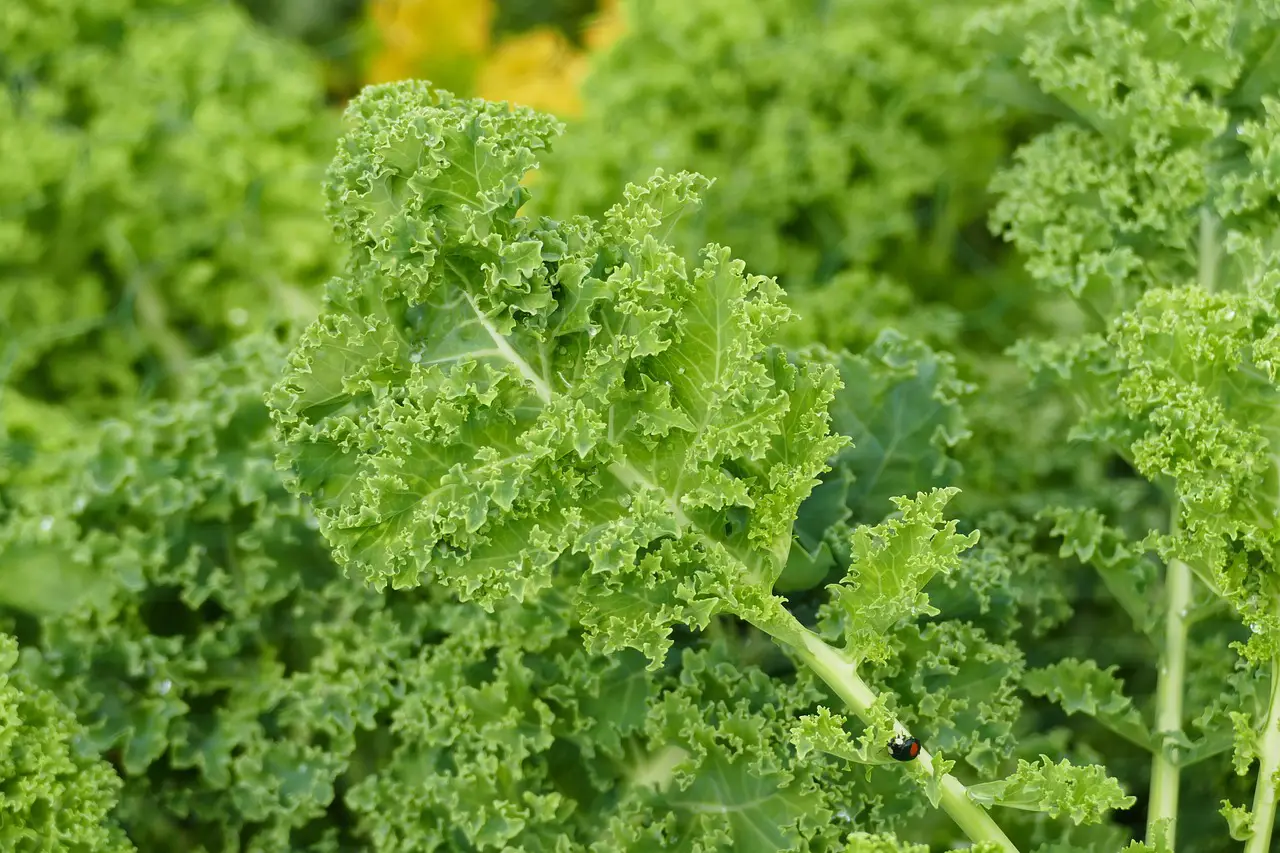
- 1 bunch kale (chopped into bite-sized pieces)
- 1/2 avocado (pitted and diced)
- 1/2 cup cucumber (chopped)
- 1/3 cup red bell pepper (chopped)
- 2 tablespoons red onion (chopped)
- 1 tablespoon feta cheese (crumbled)
Dressing Ingredients:
- 1/4 cup olive oil
- 2 tablespoons lemon juice
- 1 1/2 tablespoons mustard
- 3/4 teaspoon salt
- 1/4 teaspoon pepper
Cooking Time: 40 minutes
- In a pot, combine quinoa and 1 1/3 cups of water and bring to a boil. Once it starts boiling, reduce the heat to medium-low, cover, and simmer for about 15-20 minutes until the quinoa is soft and the water is absorbed. Let it cool after cooking.
- Place the kale in a steamer and steam it for about 45 seconds. Then transfer it to a large bowl and add kale, quinoa, avocado, cucumber, red bell pepper, red onion, and feta cheese to make the salad.
- In a small bowl, combine olive oil, lemon juice, mustard, salt, and pepper, and mix well. Pour the dressing over the prepared salad to finish.
Side Effects and Precautions
Quinoa is widely recognized as a superfood and is generally considered a safe food. However, its effects can vary depending on an individual’s health condition.
Quinoa is high in potassium, which has beneficial effects on health, such as helping to expel sodium from the body. However, excessive potassium intake can cause side effects, particularly for people with kidney issues.
Additionally, quinoa’s outer shell contains saponins, a substance that, although beneficial in other plants like beans, should not be consumed in quinoa. Saponins have a bitter taste and may irritate or damage the small intestine. Most quinoa products remove saponins, but some may still contain traces. Therefore, it is advisable to rinse quinoa thoroughly before cooking. If you are uncertain whether saponins have been removed, it is best to rinse the quinoa several times with clean water.
Also, if you are taking specific medications or have a particular health condition, it is recommended to consult with a doctor before consuming quinoa regularly. Your health should always come first, so ensure you are eating foods that contribute to your overall well-being.
Leave a Comment