


This posting is part of Coupang Partners activity, and I receive a certain amount of commission accordingly.
Cabbage is a familiar vegetable to us, but there is an interesting point when we look at its name. The basic name “baechu” (cabbage) is combined with the character “yang” (洋), which gives it the meaning of a cabbage that originated in the West. In fact, it is simply called “cabbage” in English, without any reference to “the West.” In the Western world, various types of cabbage are categorized, and the cabbage we commonly eat is called “Napa cabbage,” while bok choy is referred to as “bok choy cabbage.” Other types include “green cabbage,” “red cabbage,” and “Savoy cabbage.” All of these cabbages belong to the Brassicaceae family, along with kale and cauliflower.
Cabbage has a long history. It was cultivated in China around 4000 BC, and by 600 BC, it spread to Europe through the Celts. Later, in the mid-16th century, French explorer Jacques Cartier brought it to the Americas, and from there, it gradually spread across the world. Through this long history and distribution process, various varieties of cabbage were formed, eventually leading to the different forms of cabbage we know today.
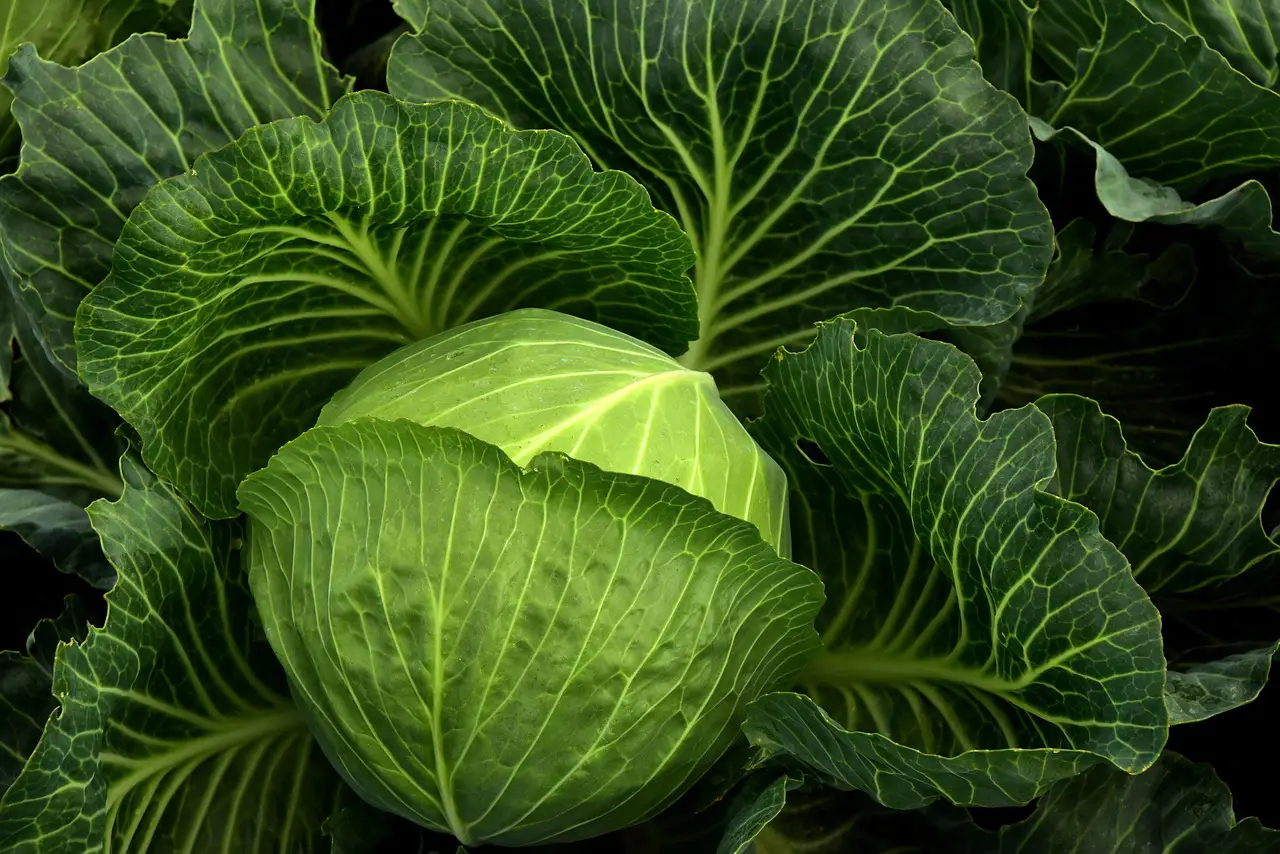
Cabbage Benefits
Cabbage has been used not only as an ingredient but also as a medicinal herb for a long time. In ancient Egypt, it was used to treat patients, and during the Greek and Roman eras, it was considered a panacea and widely used. So why did people use cabbage as medicine? The answer is simple. Even without knowing its exact components, people experienced positive changes in their bodies when consuming cabbage. Over time, people naturally recognized and utilized the health benefits of cabbage.
Today, various studies have scientifically proven why cabbage is beneficial for health. Let’s take a look at 12 particularly notable health benefits.
Aids in Weight Loss
Cabbage is low in fat and rich in dietary fiber, making it a commonly recommended food for dieting. In particular, cabbage soup can be a great option for those looking to lose weight. It contains only 25 kcal per 100g and, with its high fiber content, helps maintain a feeling of fullness for a longer period, preventing overeating and aiding in constipation relief. Additionally, dietary fiber contributes to the stable regulation of blood sugar levels. If you’re considering a healthy diet, trying various dishes that incorporate cabbage is also a good idea.
Helps with Stomach Health
Cabbage is known to be effective in improving stomach ulcers. According to a study, patients who consumed cabbage juice experienced an improvement in their ulcers in an average of 7.3 days, which was much faster than the recovery rate when using conventional ulcer medications. This benefit is attributed to glutamine, an amino acid that helps with the growth and regeneration of gastrointestinal cells. If you’re looking to manage stomach health, regularly consuming cabbage can be a good option.
Helps with Brain Health
Cabbage is rich in vitamin K and anthocyanins, which help improve brain function and enhance concentration. It also protects nerve cells, potentially having a positive effect in preventing Alzheimer’s and dementia. In particular, red cabbage contains higher amounts of these nutrients, making it a good option to consider when aiming to support brain health.
Helps with Skin Health
Cabbage is rich in sulfur and various minerals, which are beneficial for improving oily skin and alleviating acne. Additionally, the vitamin A (retinol) in cabbage acts as a powerful antioxidant, helping to reduce wrinkles and skin aging caused by free radicals.
Helps with Detoxification
Cabbage is rich in vitamin C and sulfur, which are effective in eliminating harmful substances caused by free radicals and uric acid. Additionally, the compound indole-3-carbinol enhances liver detoxification, helping to expel toxins from the body. Since these toxins are associated with conditions like rheumatism, skin disorders, and gout, it is beneficial to regularly consume cabbage.
Helps in Cancer Prevention
Cruciferous vegetables, including cabbage, are rich in a cancer-fighting compound called glucosinolates. This compound helps inhibit the growth of cancer cells through enzyme activity. The American Cancer Society also recommends cruciferous vegetables as beneficial for cancer prevention. Research shows that women who regularly consumed cabbage had a significantly lower risk of developing breast cancer compared to those who did not.
Helps in Blood Pressure Regulation
Potassium plays a crucial role in maintaining stable blood pressure. While sodium raises blood pressure, potassium helps by dilating blood vessels, promoting smooth blood flow. Cabbage is a potassium-rich food, and regular consumption can assist in blood pressure management.
Helps in Regulating Blood Sugar and Cholesterol Levels
Red cabbage is effective in lowering blood sugar levels. Additionally, the soluble dietary fiber in cabbage helps regulate cholesterol levels.
Effective in Relieving Hangovers
Cabbage juice helps alleviate hangovers and has been a traditional remedy used since ancient Roman times in the West.
Beneficial for Bone Health
The calcium, magnesium, and potassium found in cabbage help support bone health. Additionally, vitamin K reduces the risk of hip fractures. While this is a concern that may arise with age, adding cabbage to your diet can help reduce this risk.
Beneficial for Eye Health
Red cabbage, in particular, is rich in the antioxidant beta-carotene. Beta-carotene is converted into vitamin A in the body, which helps improve vision and maintain overall eye health. A deficiency in vitamin A can lead to reduced night vision, and in severe cases, it can cause dry retina and worsening vision.
Side Effects and Precautions of Cabbage
Cabbage is generally considered a safe food, but this is a general evaluation based on healthy individuals. Caution may be necessary depending on individual health conditions.
- Pregnant or breastfeeding women should be cautious when consuming cabbage, as it may affect the baby.
- People with diabetes should be careful as cabbage may lower blood sugar levels.
- Individuals with hypothyroidism should be cautious as consuming cabbage may worsen their condition.
- People about to undergo surgery should avoid cabbage for at least 2 weeks before the procedure, as it may affect blood sugar levels.
- Those taking acetaminophen (such as Tylenol) should avoid cabbage, as it may reduce the effectiveness of the medication.
How to Choose Cabbage
When choosing cabbage, it is better to select red cabbage rather than green cabbage. Red cabbage provides more than 85% of the recommended daily intake of vitamin C, while green cabbage provides only about 47%. Surprisingly, red cabbage contains more vitamin C than oranges.
Additionally, red cabbage contains 10 times more vitamin A than green cabbage. Vitamin A plays an important role in maintaining vision, skin health, boosting immunity, and supporting dental and bone health.
Iron is also more abundant in red cabbage, with twice the amount found in green cabbage. Iron supplies oxygen to the body and helps muscle function. A lack of iron can lead to anemia and chronic fatigue.
Furthermore, red cabbage is rich in anthocyanins, which are not found in green cabbage. These compounds help suppress free radicals, delay aging, contribute to improved memory and weight loss, and play an important role in inhibiting cancer cells.
How to Eat Cabbage
Cabbage can be eaten raw, steamed, or boiled. However, if it’s cooked for too long, it begins to emit a sulfur-like odor, which becomes stronger over time.
Here are some ways to enjoy cabbage more deliciously:
- If you prefer something simple, try tossing chopped cabbage with olive oil, pepper, and garlic.
- Add pieces of cabbage to your salad.
- Include chopped cabbage in soups to enjoy a variety of flavors.
Cabbage Recipes
How to Make Cabbage Water for Acne-Prone Skin
- Cut a cabbage into quarters and wash thoroughly.
- Place the cabbage and 3 liters of water in a pot and bring to a boil over high heat.
- Once it starts boiling, reduce to low or medium heat and simmer for about 40 more minutes.
How to Make Cabbage Salad
You can make a quick and easy cabbage salad by using plain yogurt as the dressing.
How to Make Cabbage Juice
Blend cabbage, apple, and carrot together in a blender and drink it fresh.
How to Make Cabbage Mille-Feuille Hot Pot
- Wash the cabbage thoroughly and soak it in water with a few drops of vinegar for about 10 minutes.
- Stack layers of cabbage and perilla leaves alternately.
- Add thinly sliced king oyster mushrooms on top.
- Cut the stacked ingredients into manageable portions.
- Add them to anchovy broth and boil until cooked through.
Anthocyanins Benefits (Foods Rich in Anthocyanins)
March 8, 2025
Leave a Comment