
This post is part of the Coupang Partners program, and I may receive a commission from qualifying purchases. By clicking the link and making a purchase, you can help support the operation of this blog.
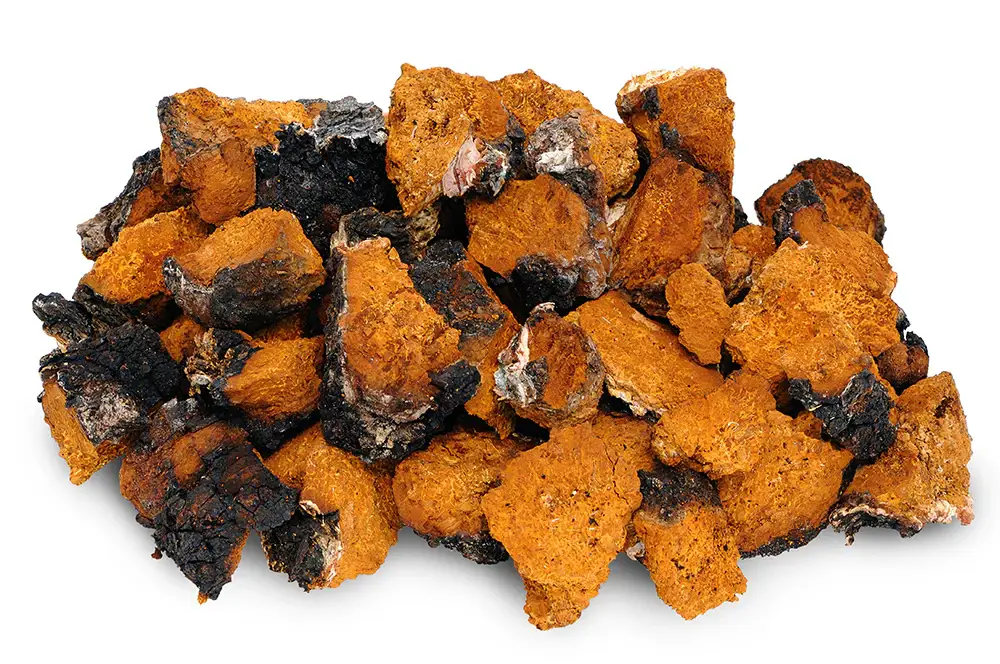
Chaga mushroom is a fungus that naturally grows on birch trees in cold regions of the Northern Hemisphere. In the East, it has been consumed as a tea for hundreds of years, and more recently, its health benefits have gained popularity in the West as well. This mushroom is actually a dense, black mass of mycelium formed when the birch tree is infected by the non-toxic parasitic fungus known as Chaga. The exterior is dark, resembling a lump of charcoal with a hard, cracked surface, while the interior has a yellowish-brown color similar to rust on iron.
Nutritional Information
Polysaccharides
Chaga mushrooms contain various polysaccharides within their chitin-based walls. These compounds help boost energy levels, support cardiovascular health, protect the digestive system and liver, and regulate blood sugar levels. They may also have mood-enhancing effects.
Beta-Glucans
Beta-glucans play a key role in modulating the immune system and help stabilize cholesterol and blood sugar levels.
Plant Sterols
Among the plant sterols found in Chaga mushrooms, 45% is lanosterol, 25% is inotodiol, and the remaining 30% consists of compounds such as ergosterol and fecosterol. Research has shown that lanosterol and inotodiol may have beneficial effects against cancer cells.
Betulin and Betulinic Acid
Betulin and betulinic acid are powerful therapeutic compounds currently being studied for their cholesterol-lowering effects. They are also being investigated for their potential benefits in fighting cancer and viruses.
Antioxidants
The sclerotium of Chaga mushrooms contains a high concentration of melanin, a natural black pigment, as well as a rich amount of polyphenols, which contribute to its strong antioxidant properties. This makes Chaga one of the most antioxidant-rich foods.
Superoxide Dismutase (SOD)
Superoxide dismutase is another important antioxidant enzyme found in Chaga mushrooms. It helps protect the body from oxidation and damage caused by free radicals.
Chaga Mushroom Benefits
Immune System Enhancement
Chaga mushrooms are rich in beta-glucans, which play an important role in maintaining the balance of the immune system. These compounds can activate or suppress the immune system as needed, acting as regulators of the body’s response. Research suggests that Chaga mushrooms stimulate immune cells that suppress the development of cancer.
Support for Cardiovascular Health
Chaga mushrooms promote vascular health and have a calming effect on excessive reactions. This can have a positive impact on alleviating pain, nerve issues, and discomfort associated with diabetes.
Prevention of Gastritis and Ulcers
Thanks to the immune-boosting properties of Chaga mushrooms, they have been used in Eastern medicine for gastric health for a long time. Ulcers are typically caused by bacteria such as Helicobacter pylori, and boosting the immune system can help eliminate these harmful bacteria.
Blood Pressure and Cholesterol Management
Betulinic acid in Chaga mushrooms has been shown to lower LDL cholesterol levels. LDL cholesterol can accumulate in the arteries, obstructing blood flow and raising blood pressure. Additionally, oxidative stress can lead to myocardial infarction, and betulinic acid helps prevent this condition.
Antibacterial Action
Chaga mushrooms contain powerful antioxidant compounds that make them highly resistant to bacteria. This enhances the body’s defense against disease-causing pathogens and helps maintain health.
Antiviral Effects
Chaga mushrooms contain compounds that effectively combat viruses. For example, in experiments involving the recovery of skin damage caused by viruses, Chaga showed positive results.
Prevention of DNA Damage
Research has shown that Chaga mushrooms help prevent DNA damage in cells. Researchers compared cells treated with Chaga extract to untreated cells and found that the cells treated with the extract were less damaged by oxidation.
Comparison with Other Superfoods
Let’s compare Chaga mushrooms with some well-known superfoods.
Quinoa and Chaga Mushroom
Quinoa is a food rich in flavonoids, vitamins, and antioxidants. The quercetin in quinoa helps with heart disease and respiratory issues while protecting cells from free radicals. On the other hand, Chaga mushrooms provide a similar antioxidant effect but in much larger quantities, offering a more powerful benefit.
Goji Berries and Chaga Mushroom
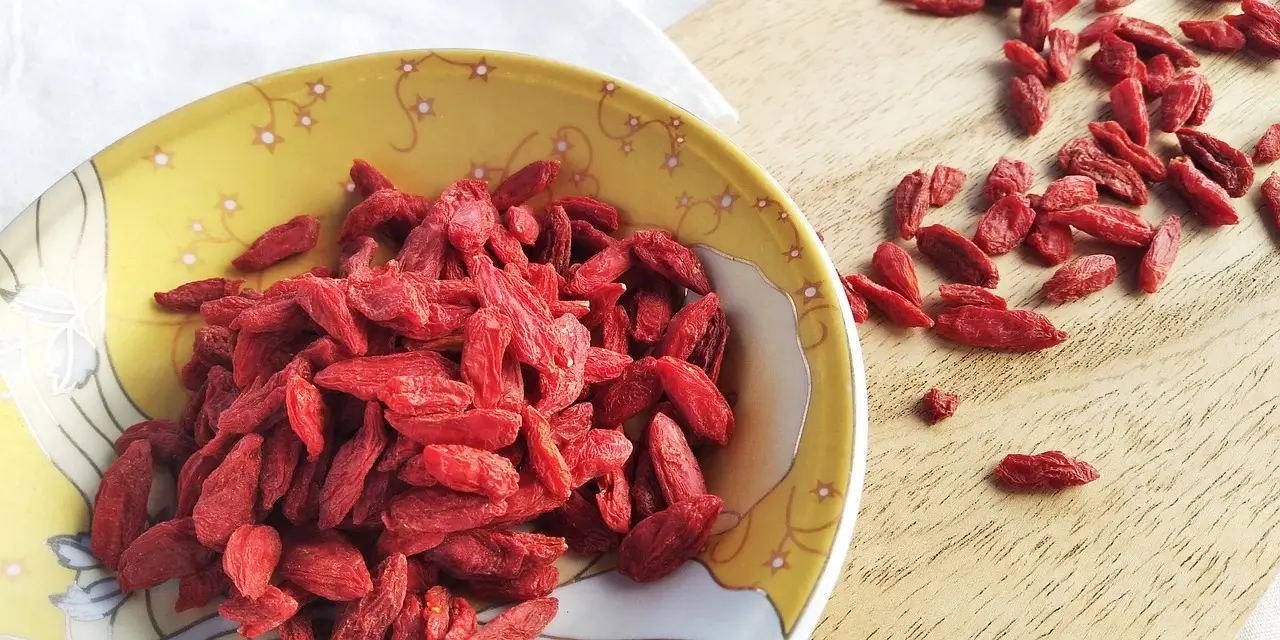
Like Chaga mushrooms, Goji berries are rich in polysaccharides. However, the main polysaccharide in Chaga mushrooms is chitin, whereas Goji berries primarily contain pectin. While the chitin in Chaga mushrooms is beneficial for health, it is a compound not commonly found in everyday food.
Avocado and Chaga Mushroom
Avocados are rich in important nutrients such as folate and vitamin D, and the fats in avocados help lower cholesterol levels and support heart health. The beta-glucans in Chaga mushrooms block cholesterol from entering the bloodstream, helping to maintain stable cholesterol levels.
According to the ORAC (Oxygen Radical Absorbance Capacity) values published by the National Institutes of Health in the U.S., the antioxidant content of various foods is as follows:
- Rosemary Spice: 165,280
- Dried Peppermint Leaves: 160,820
- Chaga Mushroom Extract: 146,700
- Ground Cinnamon: 131,420
- Acai Berry Powder: 102,700
- Rosehips: 96,150
- Dark Chocolate: 20,816
- Fresh Aronia Berries: 16,062
How to Consume
The best way to consume Chaga mushrooms is by making tea.
- Cut about 10g of the mushroom chunk.
- Then, grind the 10g into powder using a blender or coffee grinder.
- Place 1 teaspoon of the powder into a tea infuser, or use 2 teaspoons if you want a stronger flavor.
- Put the tea infuser into a large mug and pour about 400ml of hot water.
- Let it steep for at least 5 minutes. If you want to extract more bioactive compounds, steep it longer.
- After removing the infuser, you can add maple syrup or honey if desired.

Leave a Comment